Arriving in Mumbai on the evening of March 12, I stepped into the heart of the Koli community, eager to document the unique preparations leading up to Koli Holi. The pre-celebration phase was filled with intricate rituals, deep-rooted traditions, and vibrant displays of devotion that set this festival apart from other Holi celebrations.
Decorating the Holika Pole – Dressing the Goddess
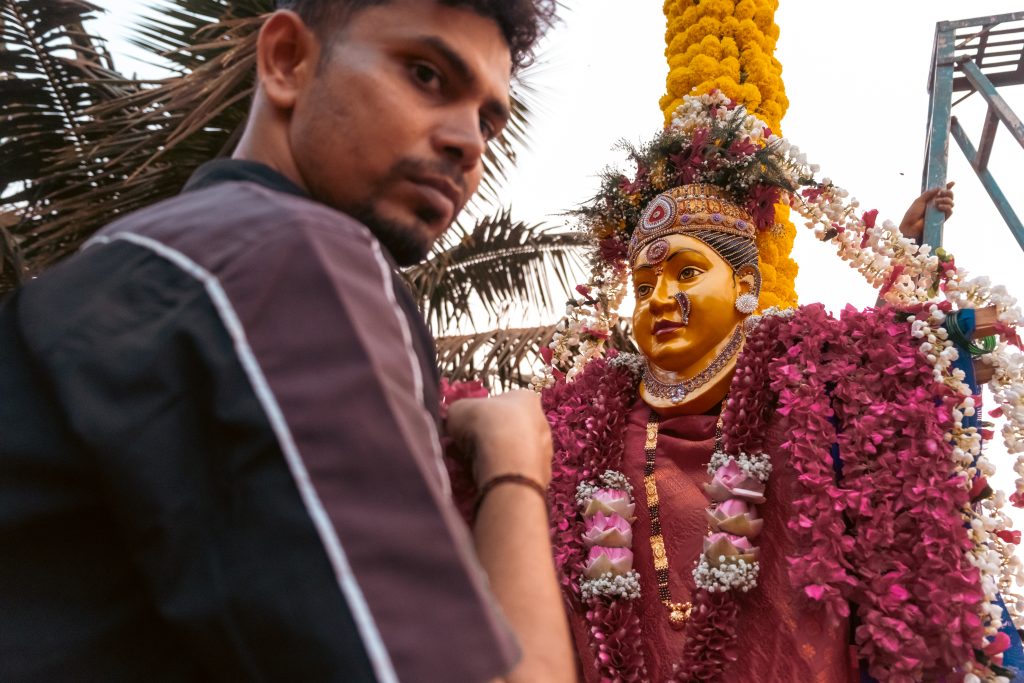
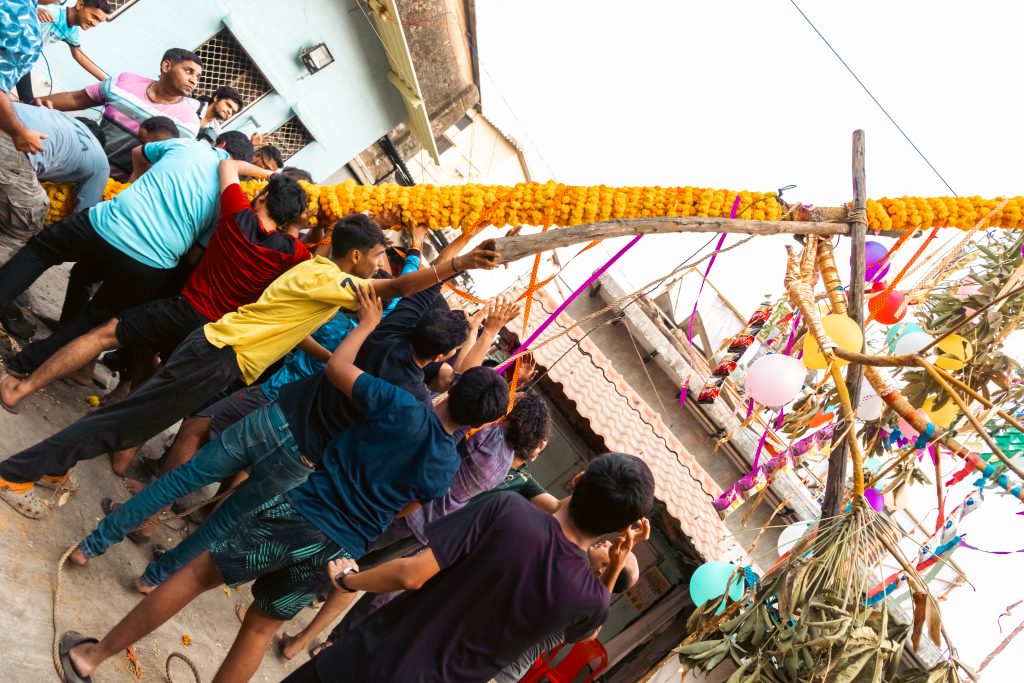
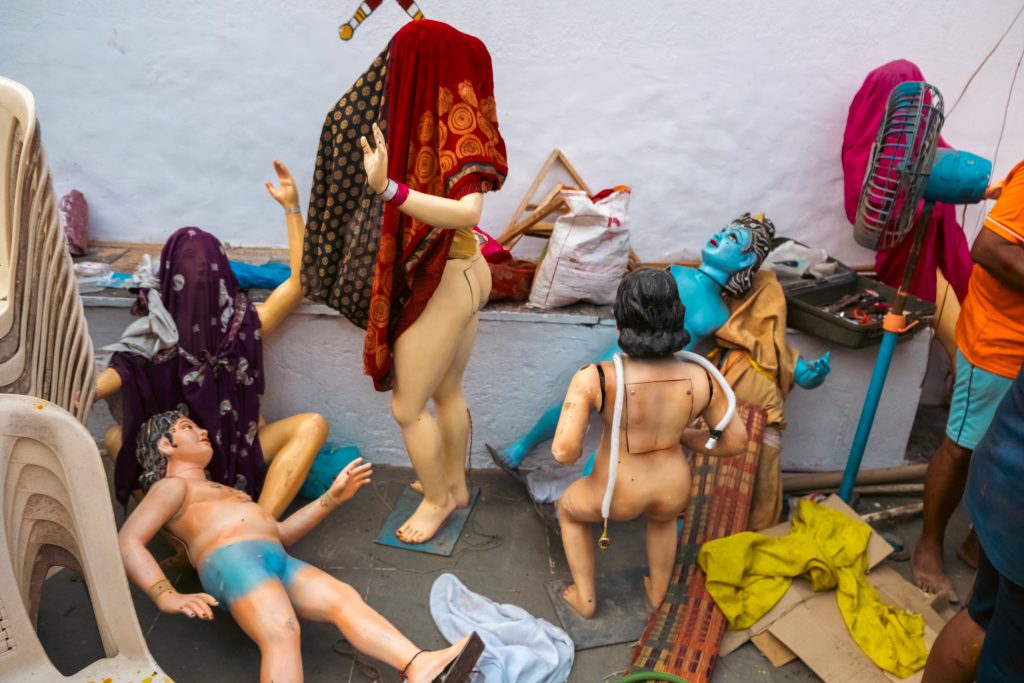
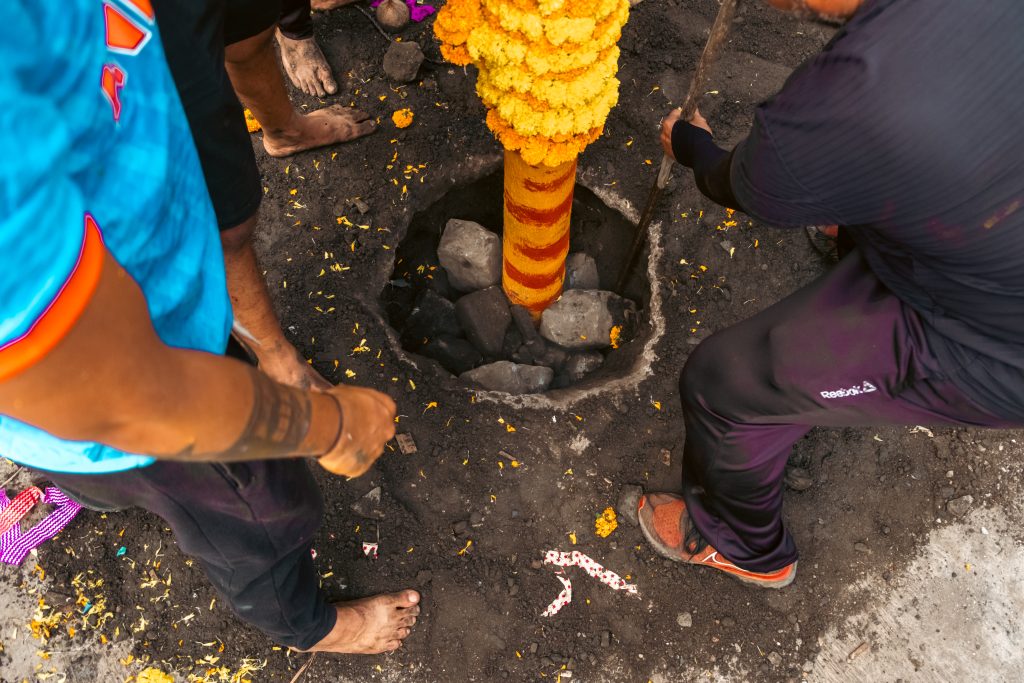
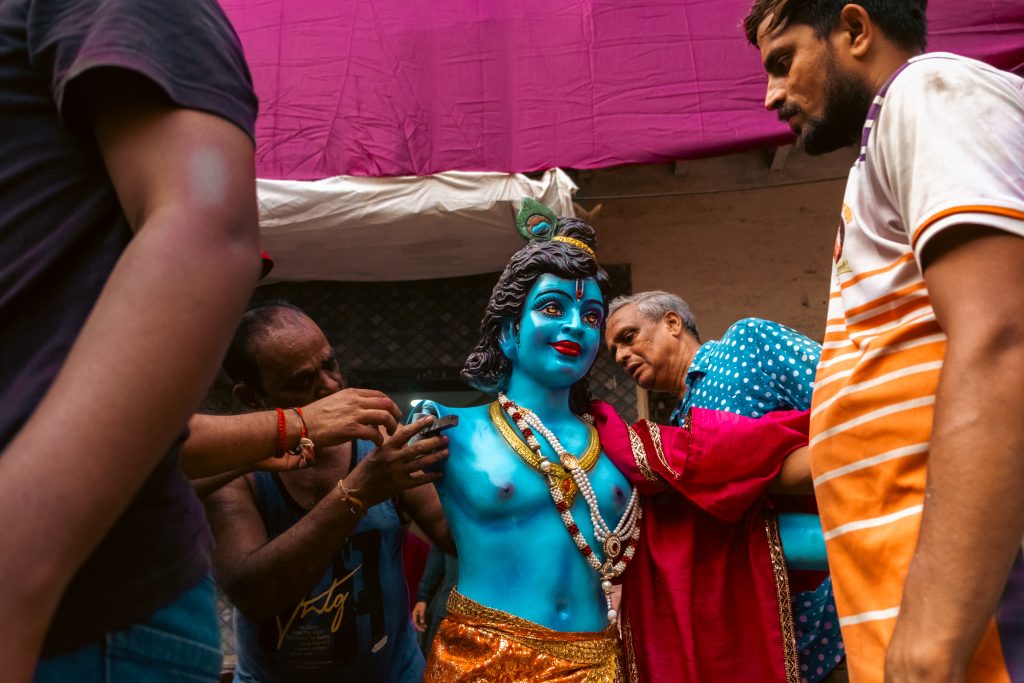
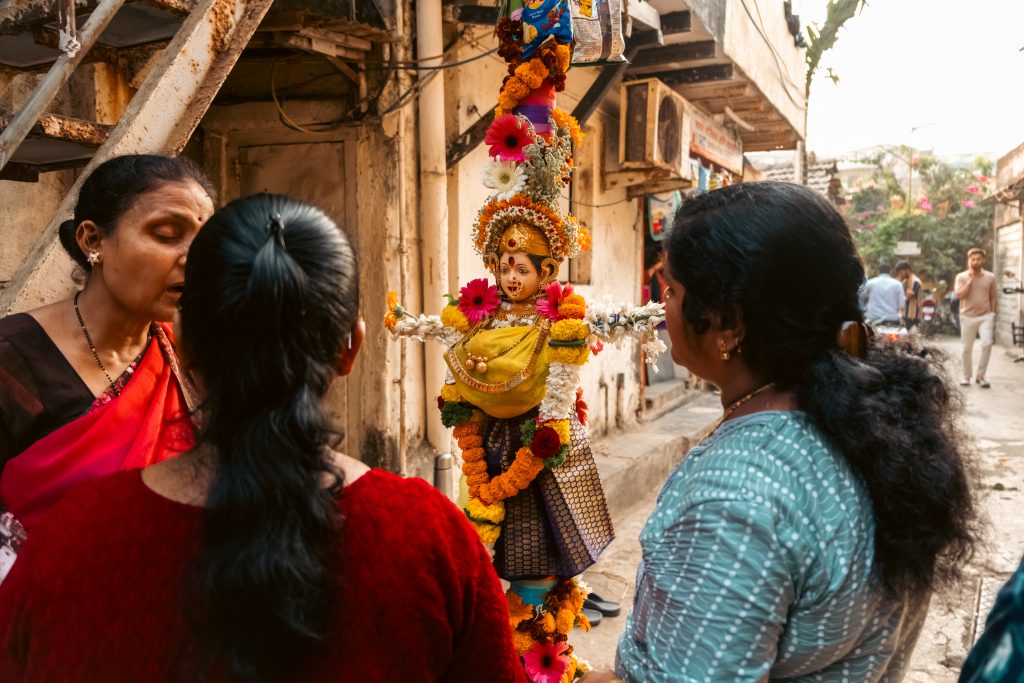
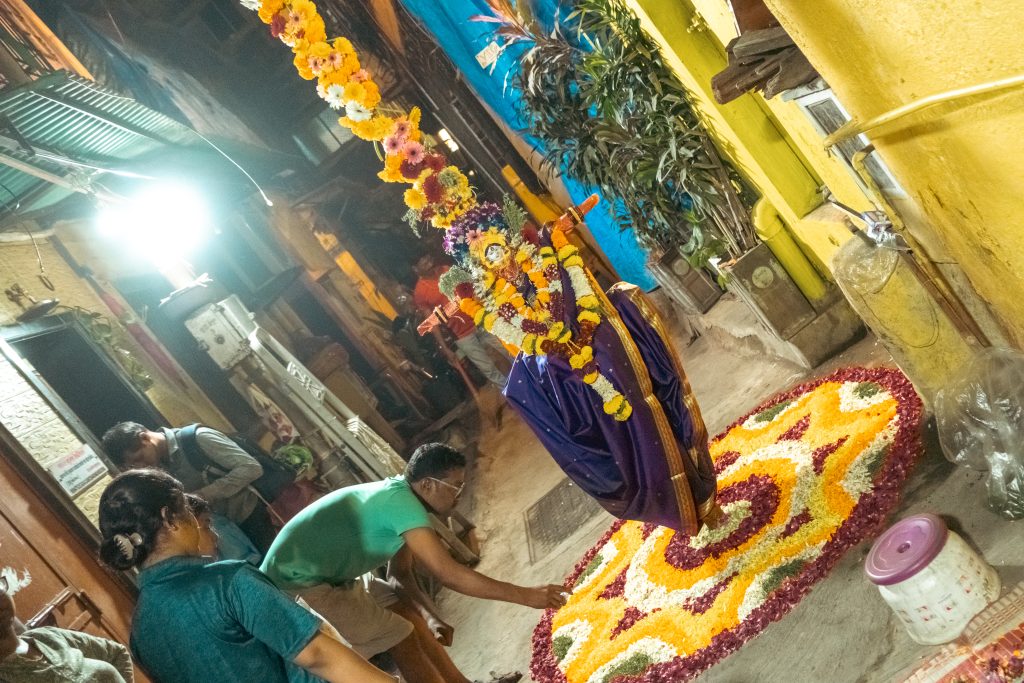
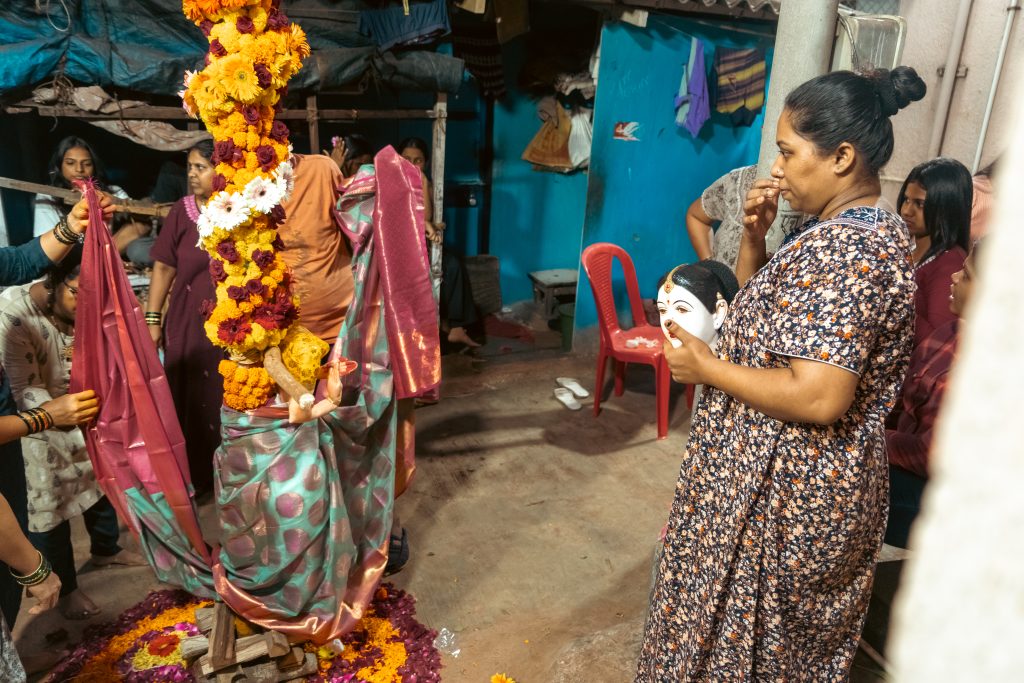
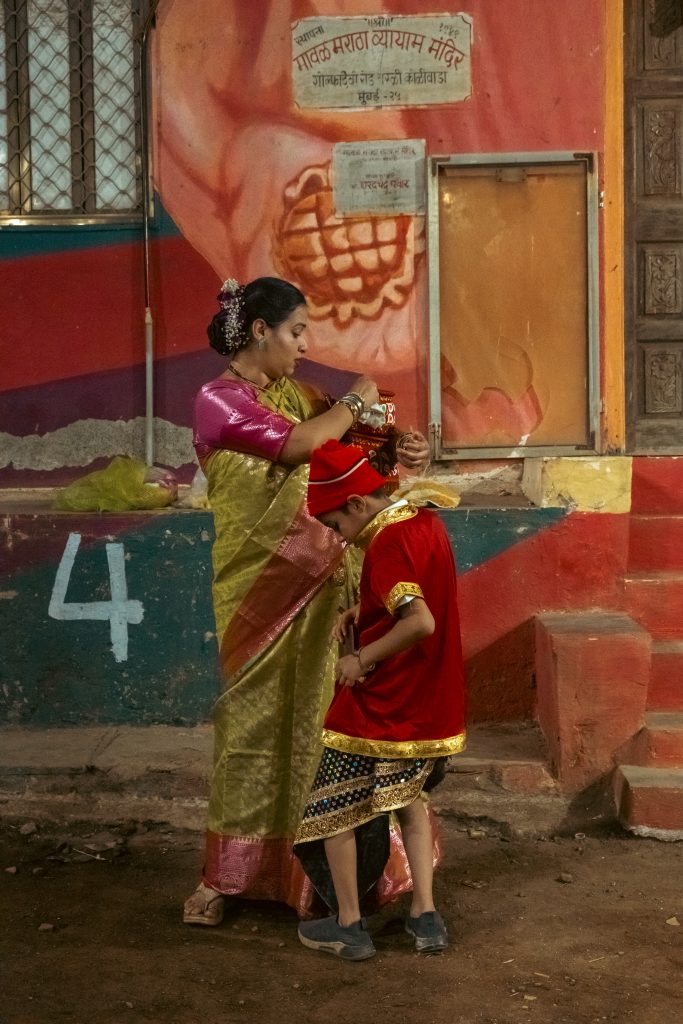
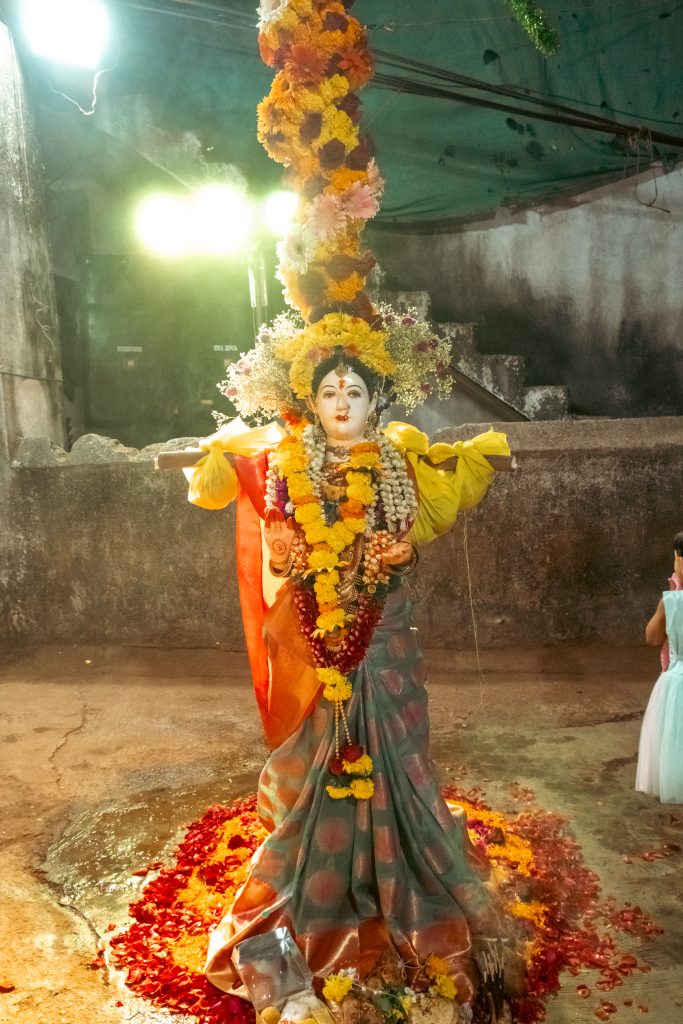
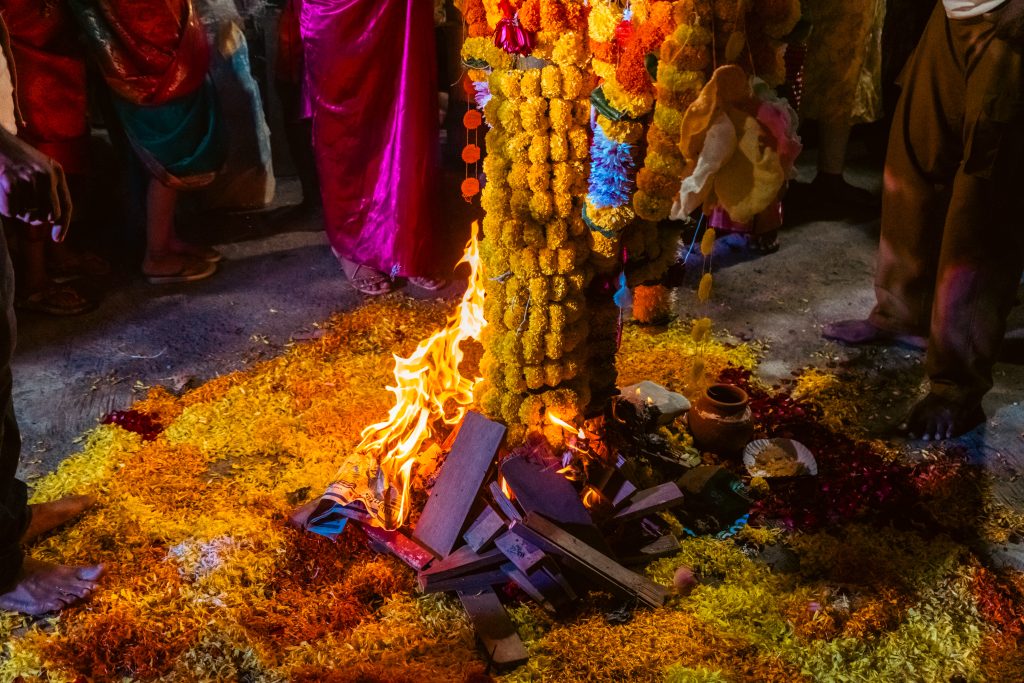
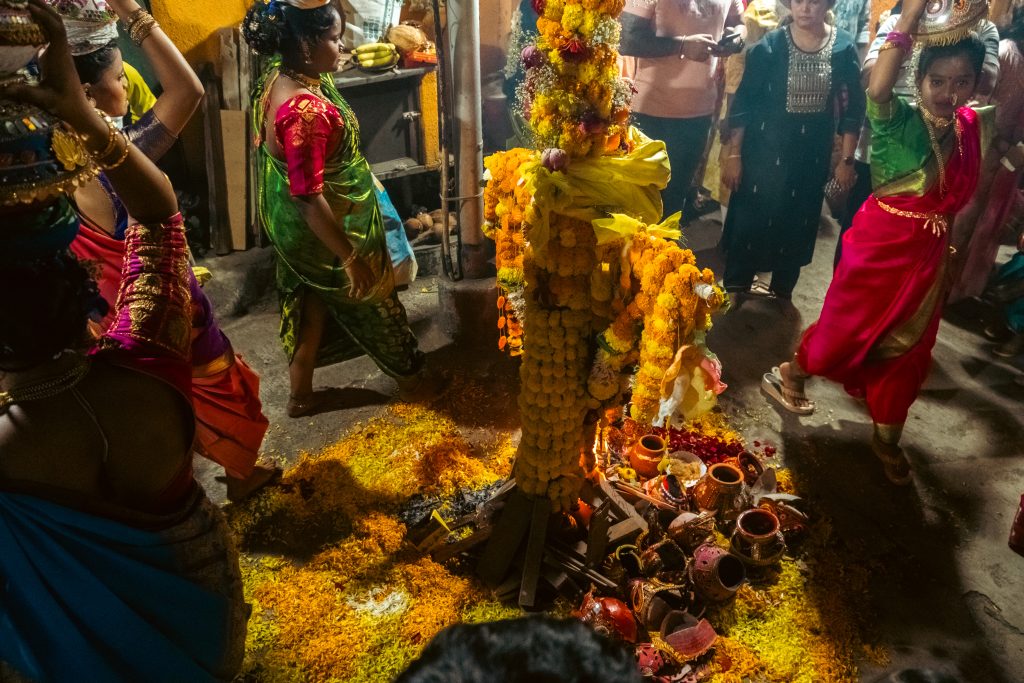
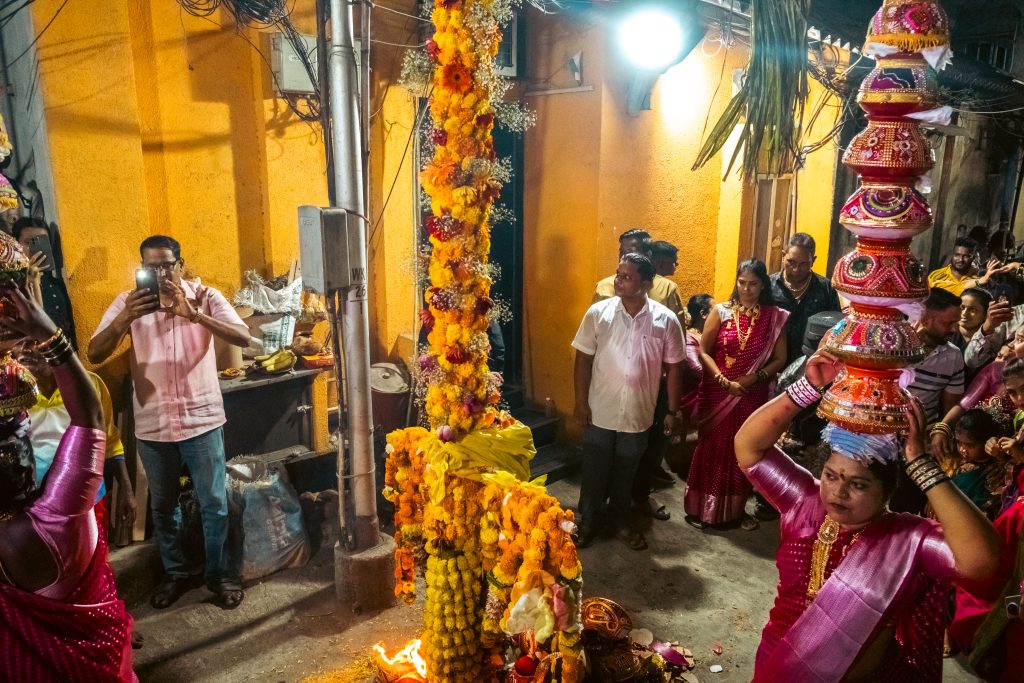
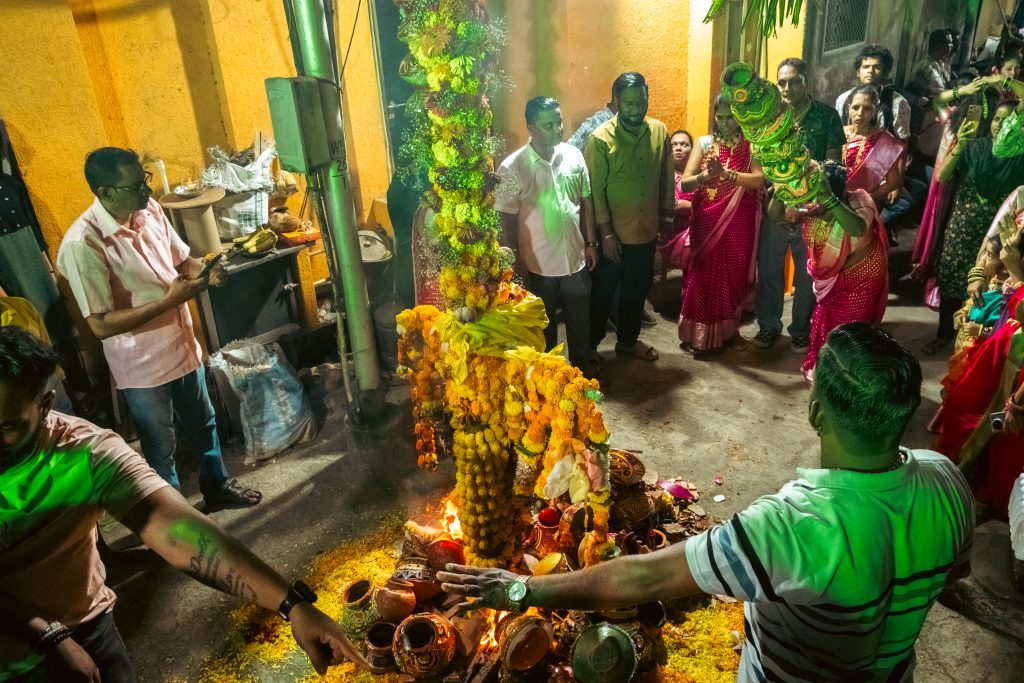
One of the most striking customs I witnessed was the decoration of the Holika pole. Unlike traditional Holika Dahan, where a bonfire is simply built, the Koli people bring the Holika Maa to life in a deeply symbolic way. The pole, representing the goddess, is dressed in a beautifully draped saree, adorned with bangles, jewelry, and other ornaments. The community collectively participates in this ritual, ensuring that Holika Maa is honored with grace and dignity.
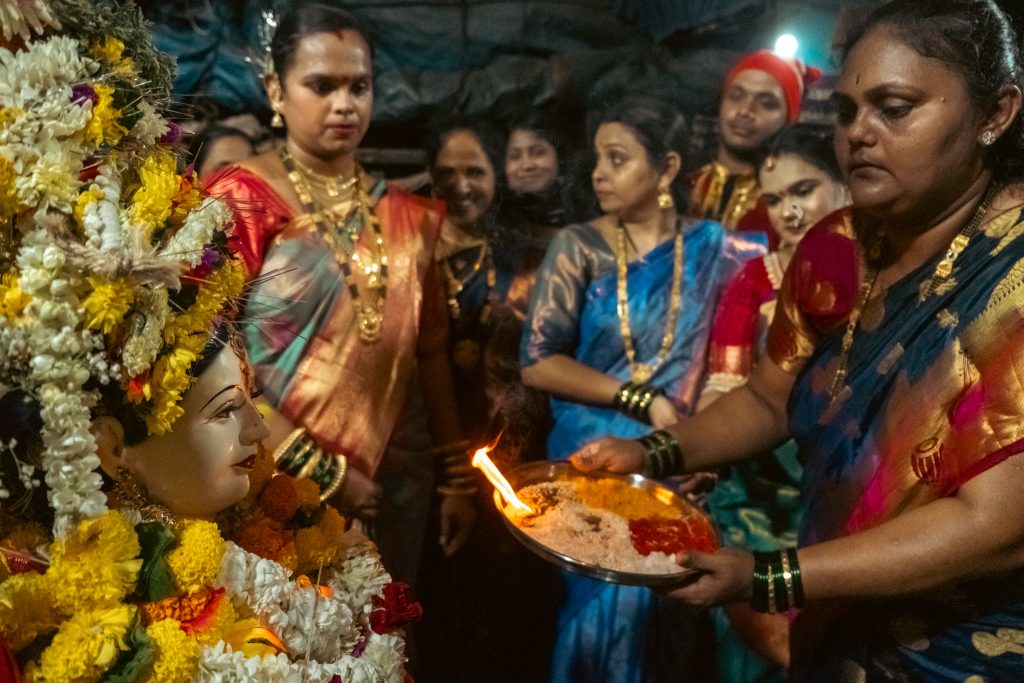
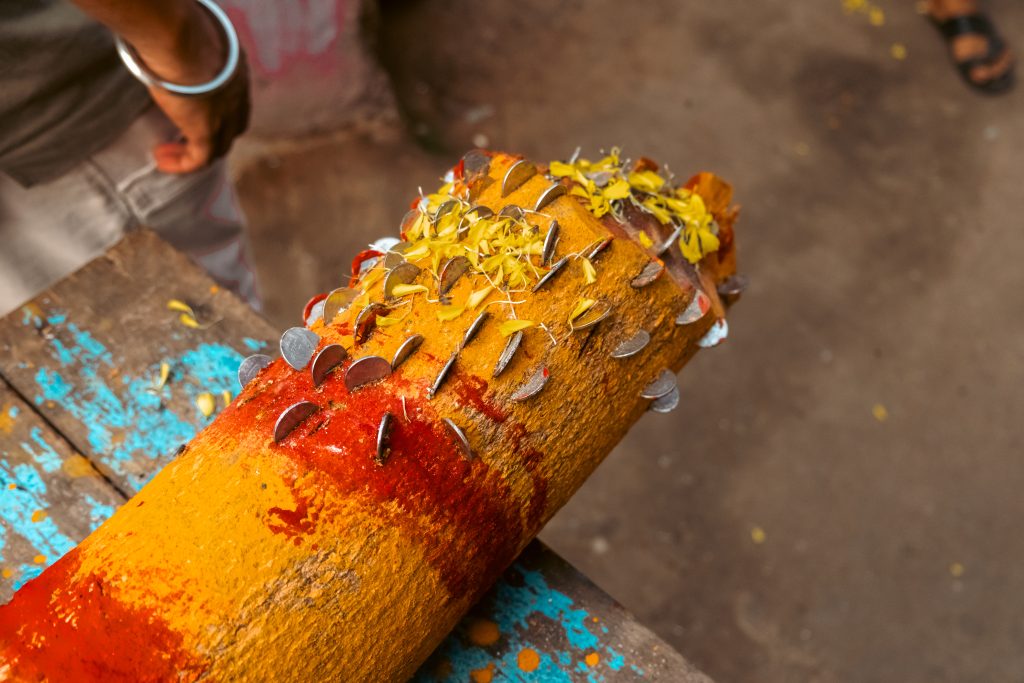
To make the structure more lifelike, they attach crafted hands and a face to the pole, signifying the divine presence of the goddess. Women offer prayers and apply sindoor, seeking blessings for prosperity and protection from evil. The act of dressing the pole is not just a ritual but a powerful representation of their faith, making the goddess a central figure in the celebration.
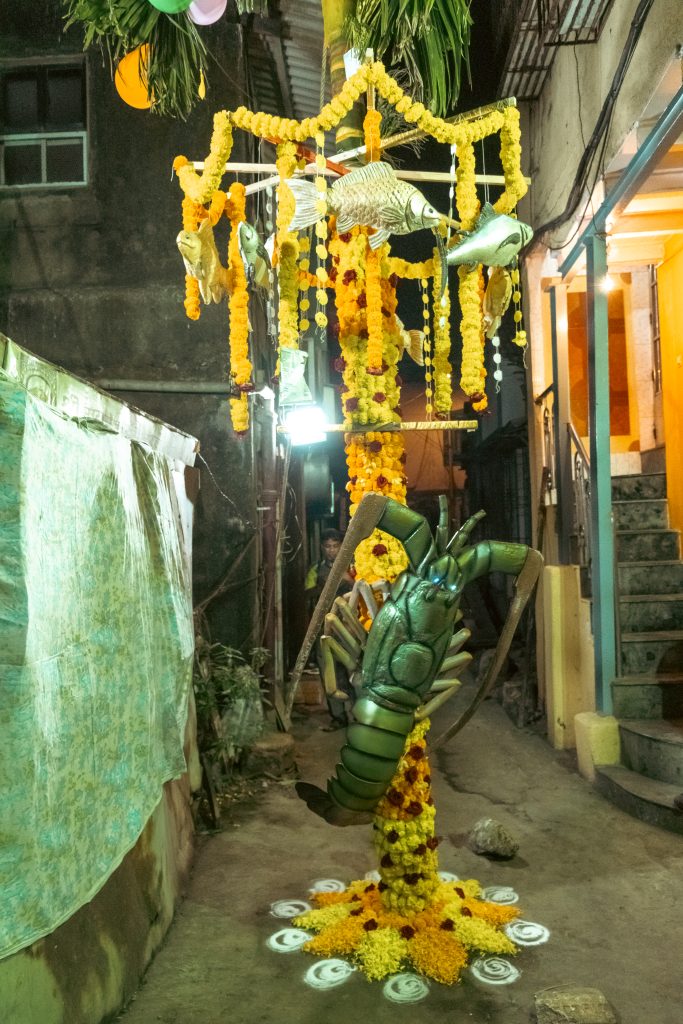
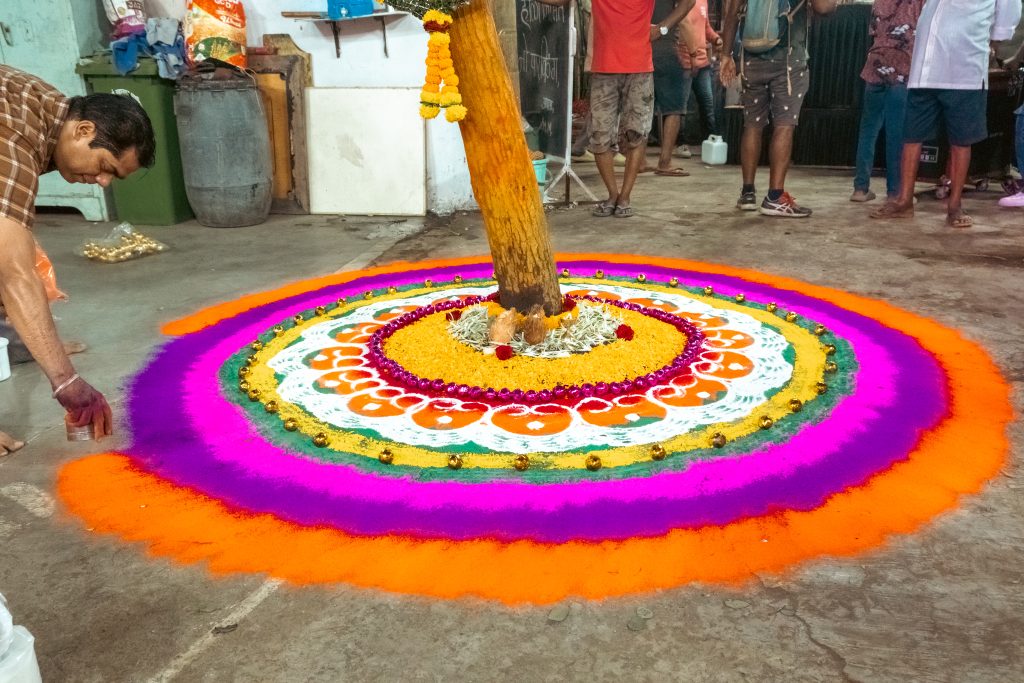
Interestingly, every lane had its own Holika pole, and each was decorated in a unique way. The creative displays reflected the collective spirit of each neighborhood, with distinct patterns, colors, and arrangements symbolizing the artistic pride of the Koli people.



Traditional Offerings & Rituals
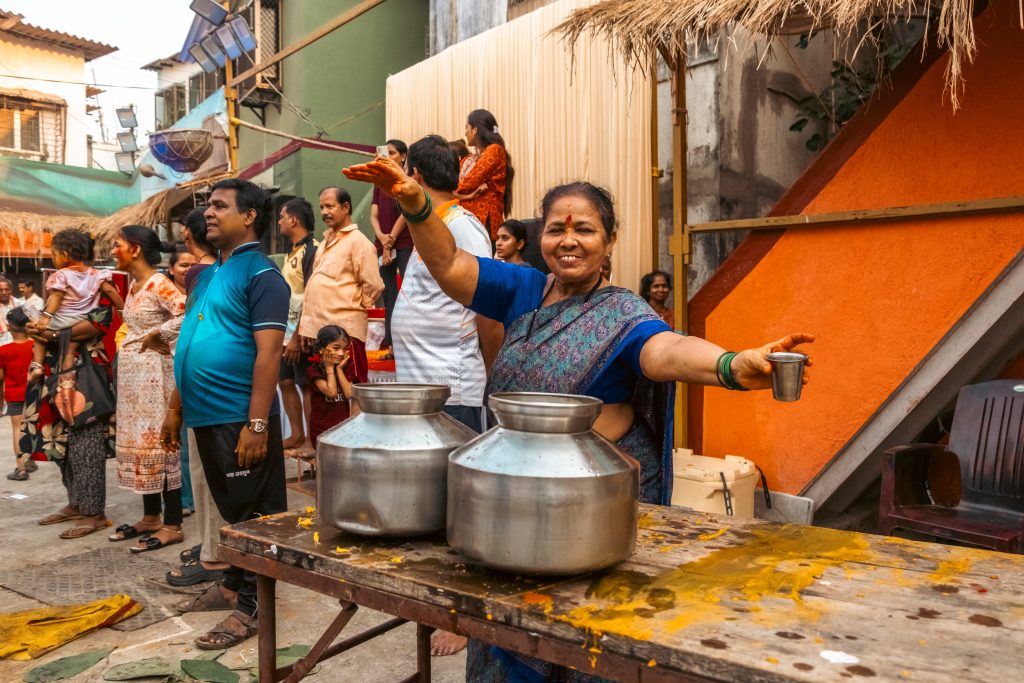
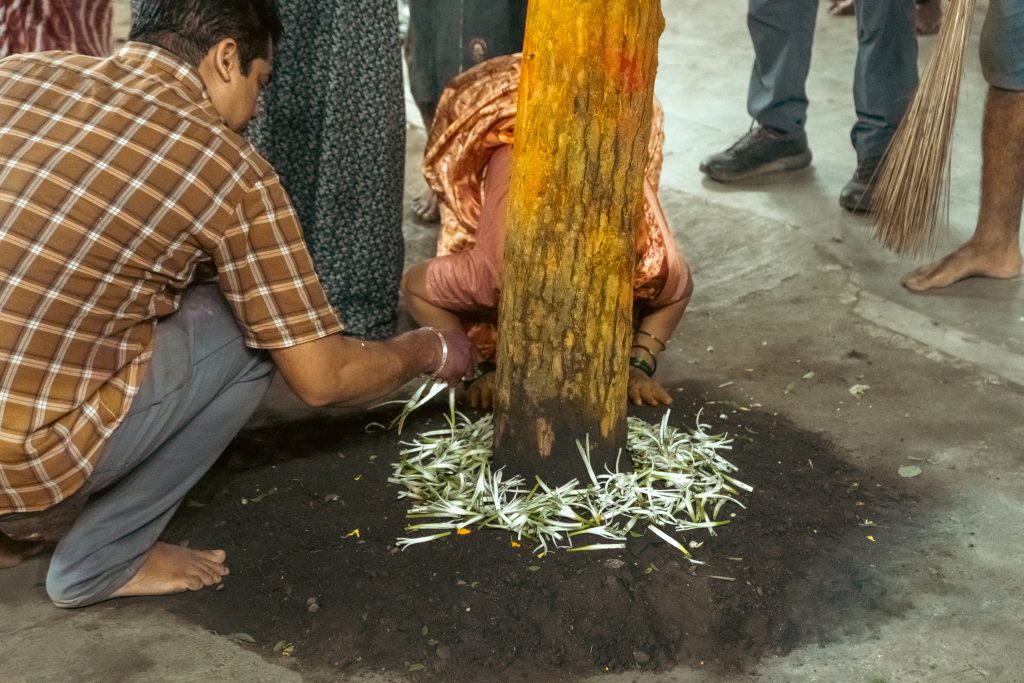
Throughout the evening, various offerings and prayers took place. Families gathered around the Holika pole, presenting coconuts, rice, flowers, and sweets as a token of devotion. Elders recited prayers, narrating the mythological stories associated with Holika and Prahlad, reinforcing the spiritual depth of the festival.
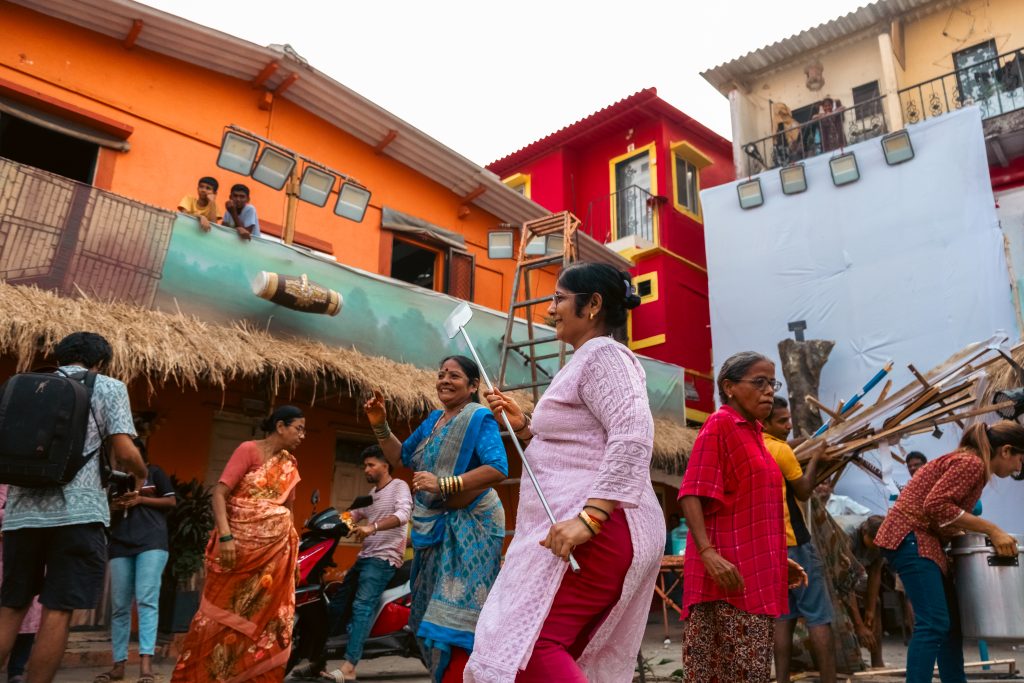
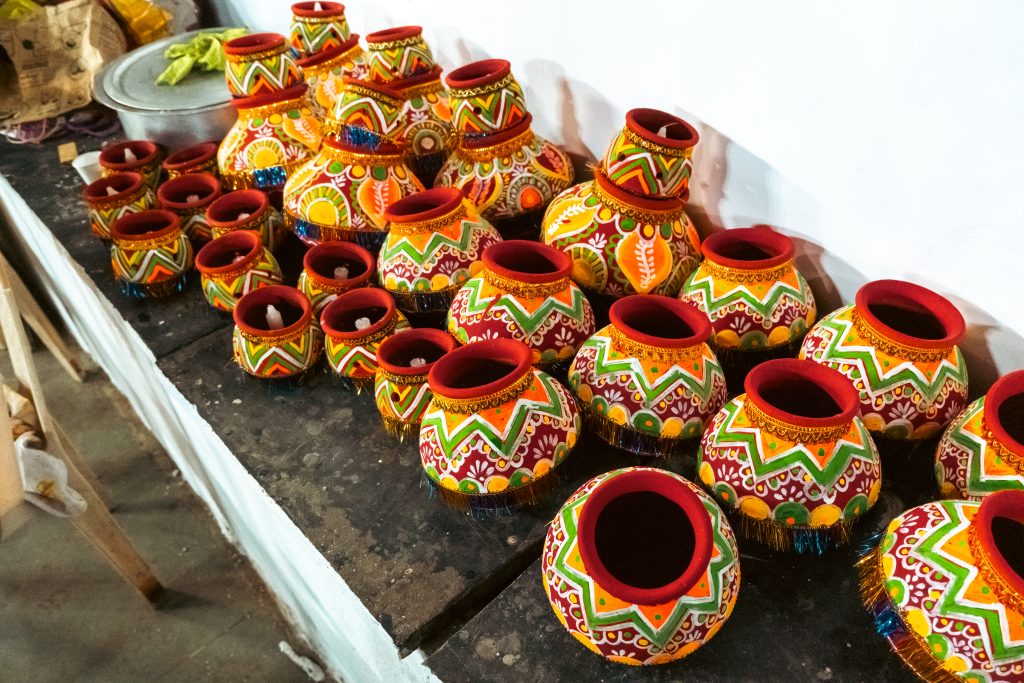
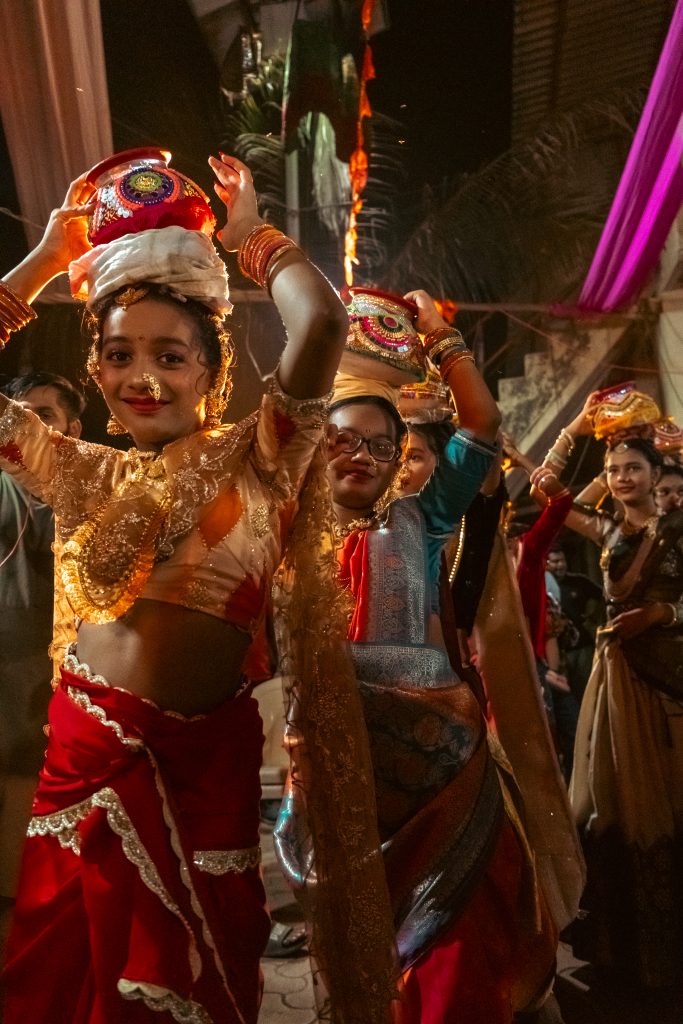
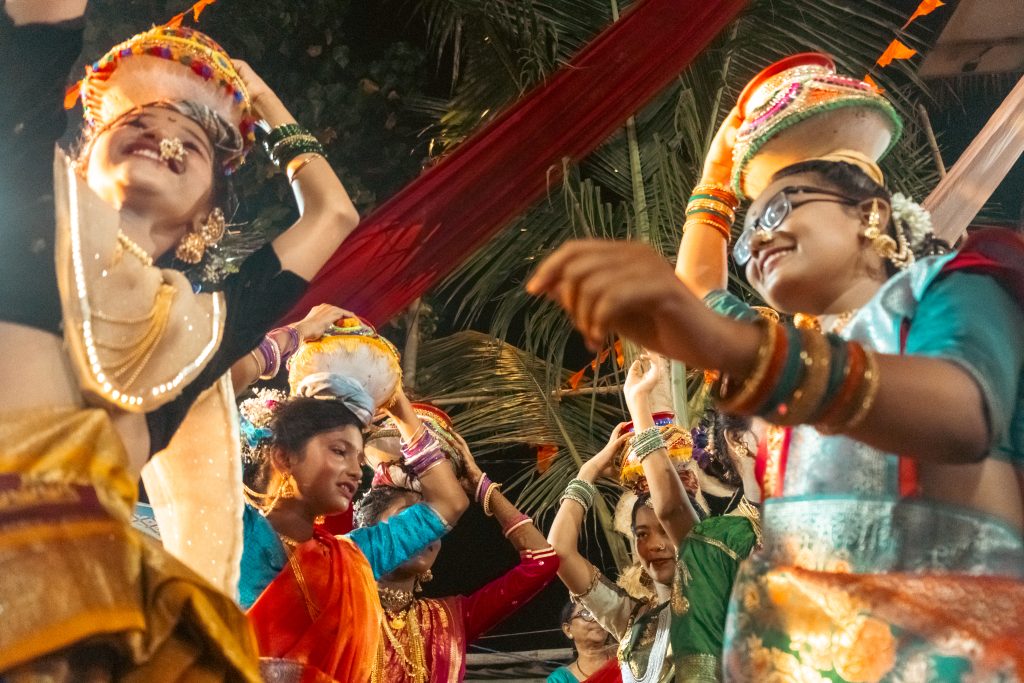
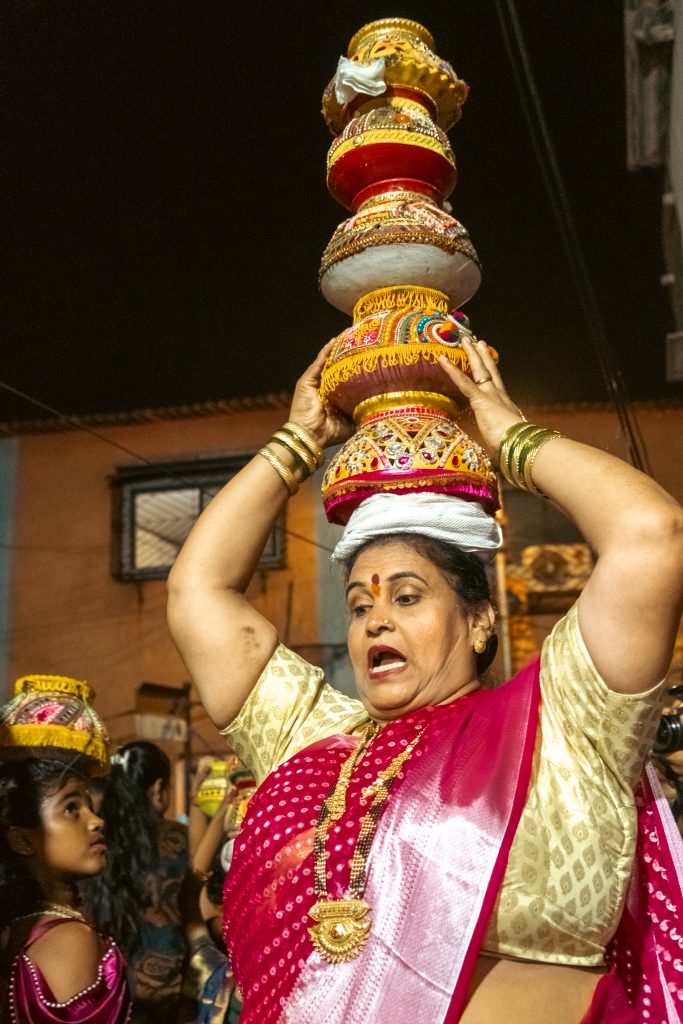
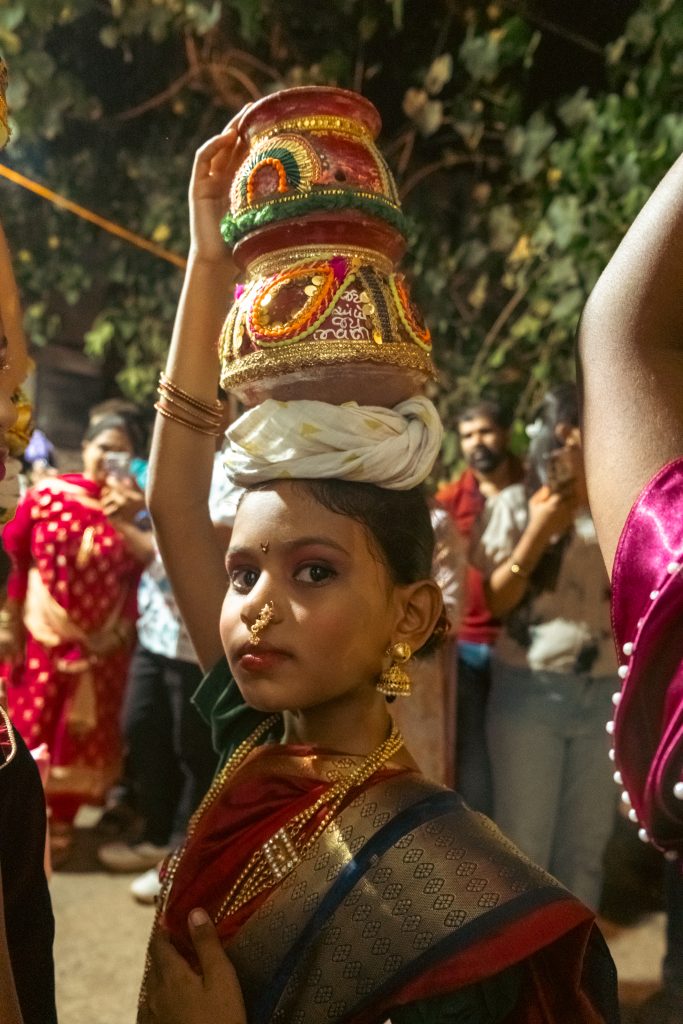
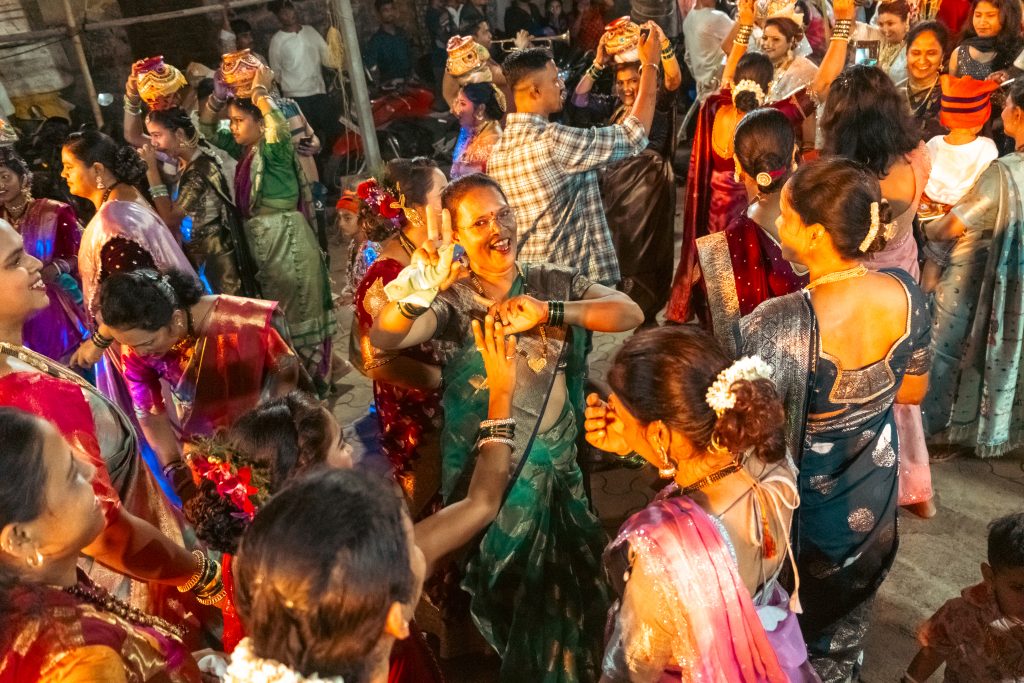
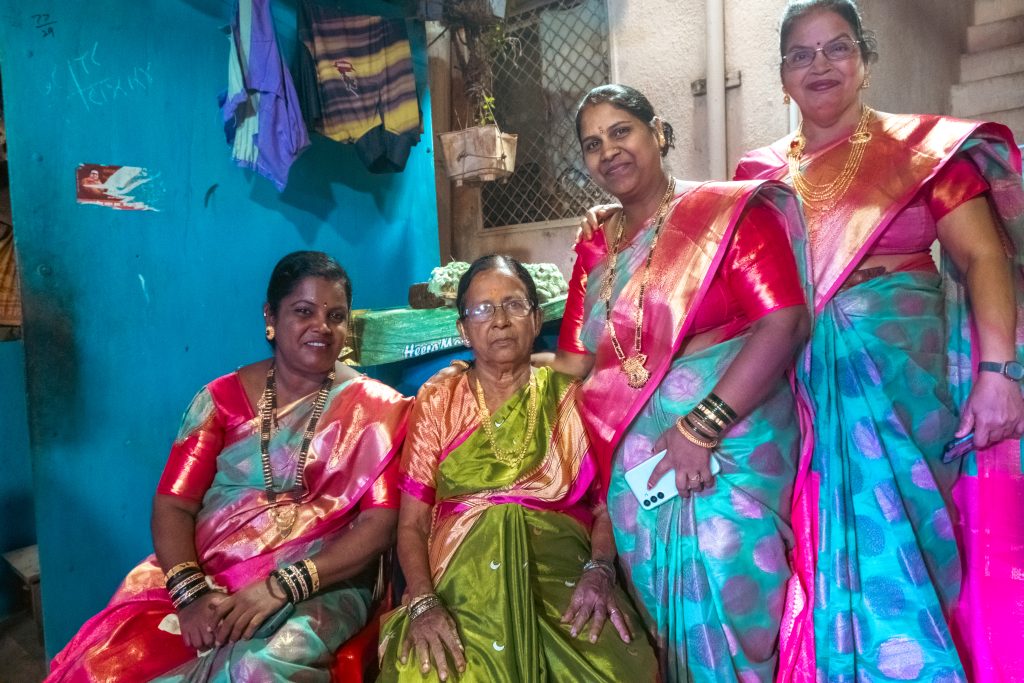
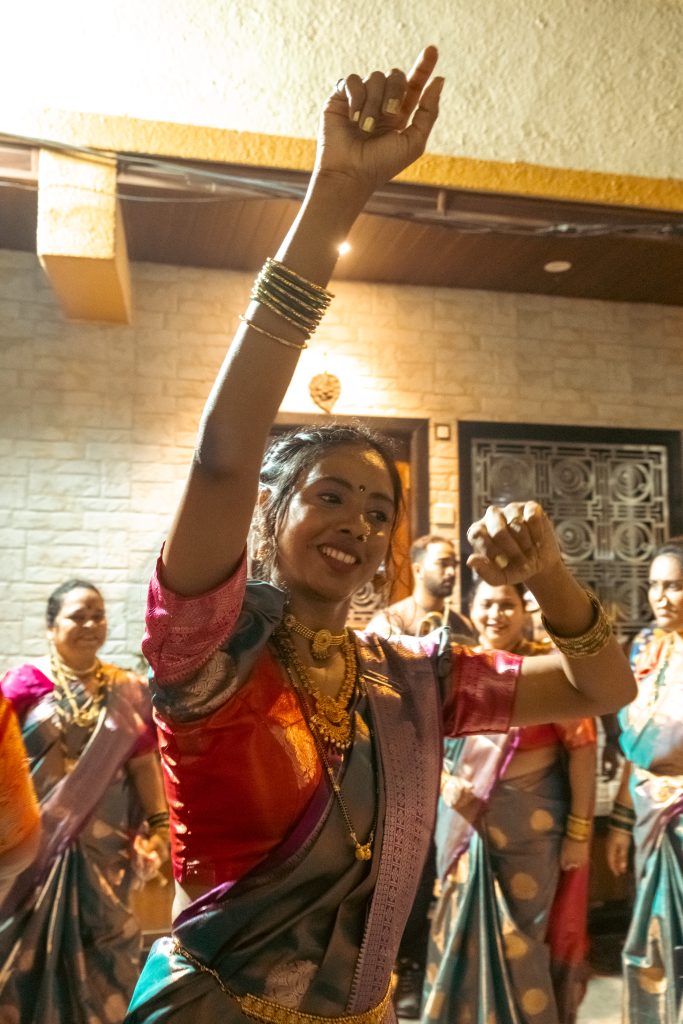
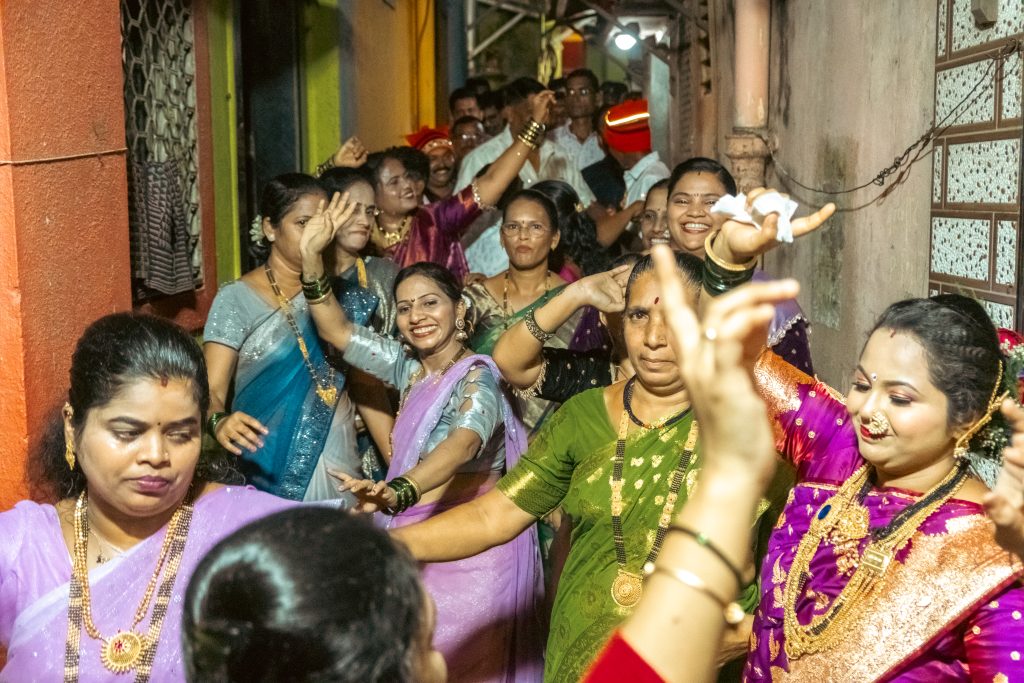
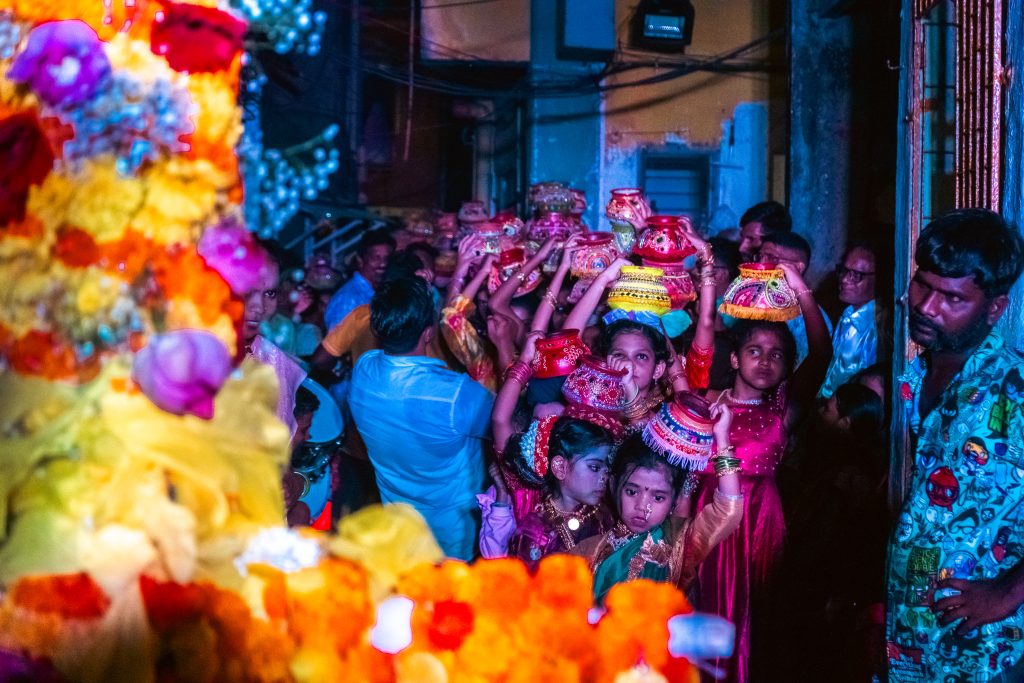
- Matki Dance Procession: Women, dressed in traditional attire, carried matkis (earthen pots) on their heads and danced gracefully around the Holika Maa. The number of matkis a woman carried varied based on her age and responsibility. Young girls carried a single matki, symbolizing their entry into the tradition, while older, more responsible women balanced five to six matkis, signifying their strength, experience, and devotion.

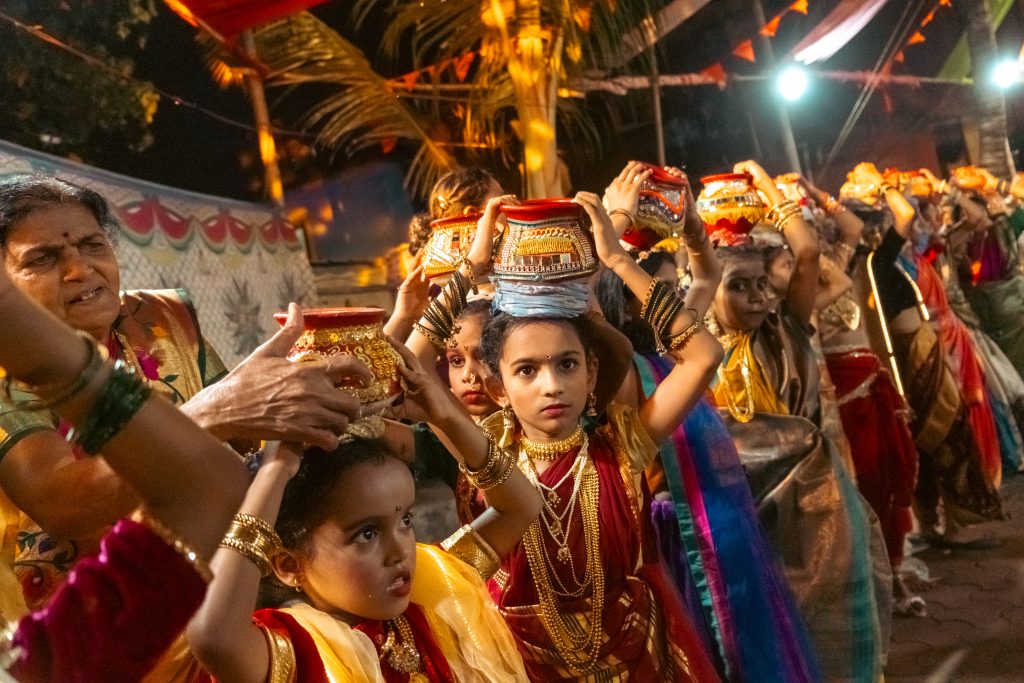
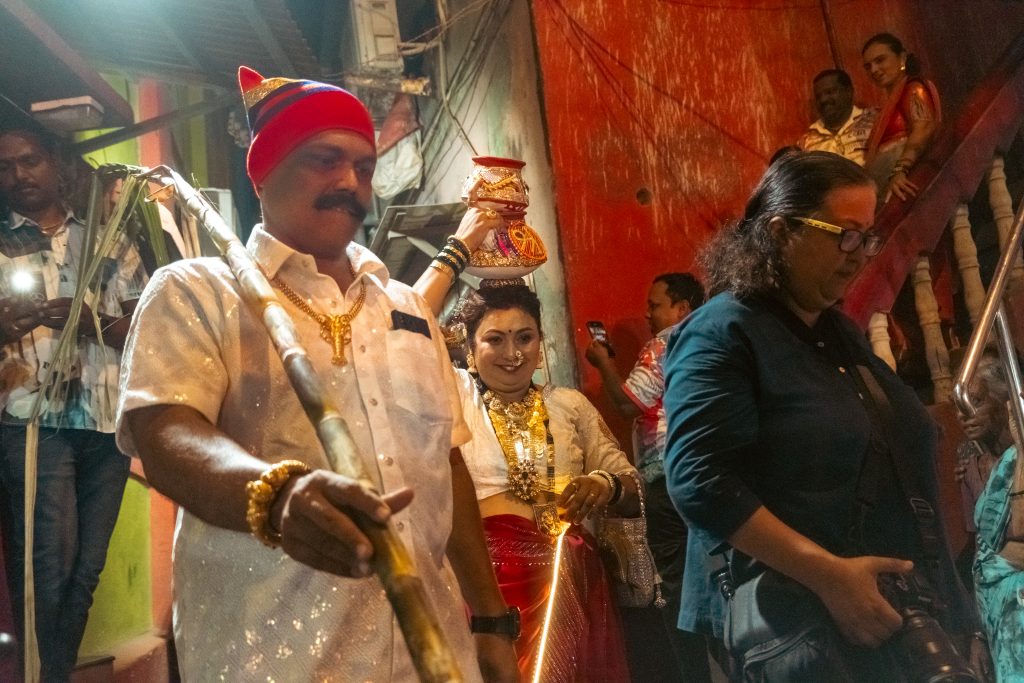
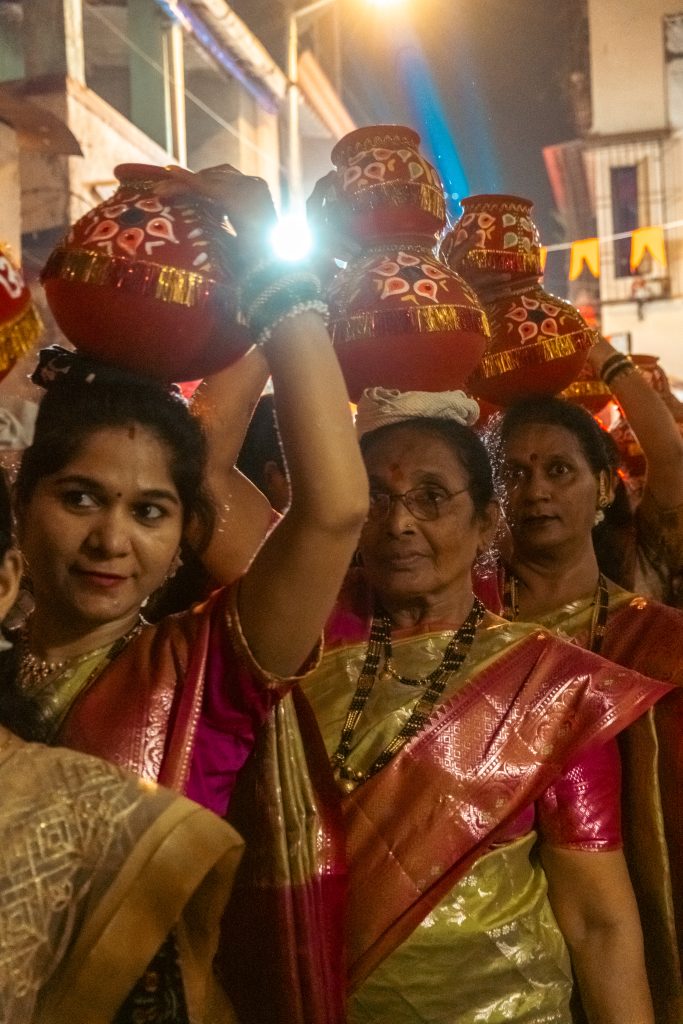

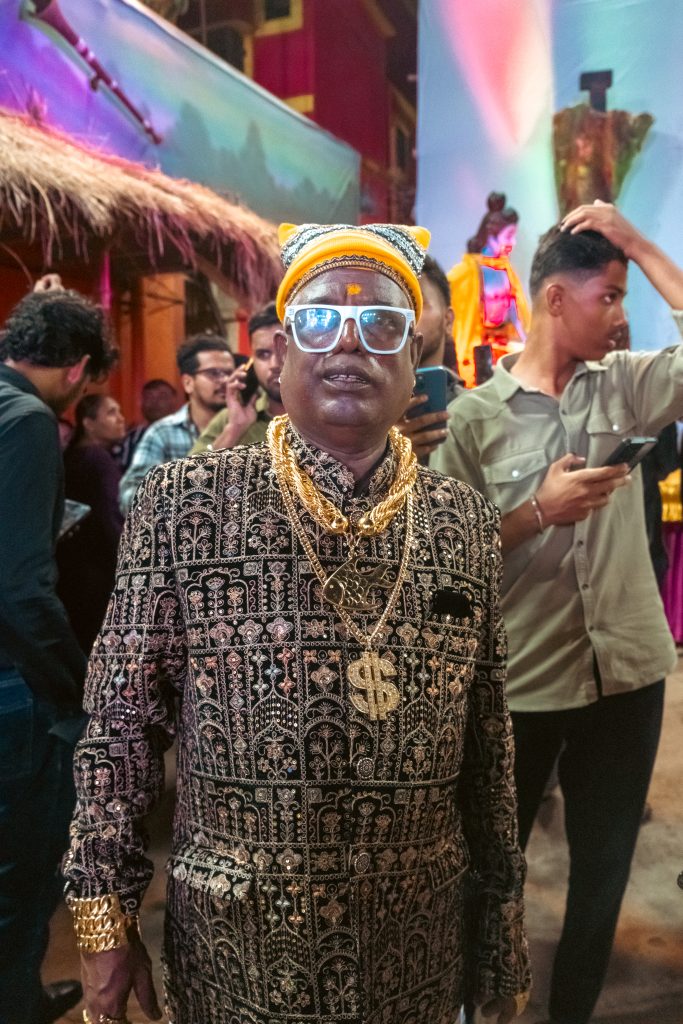
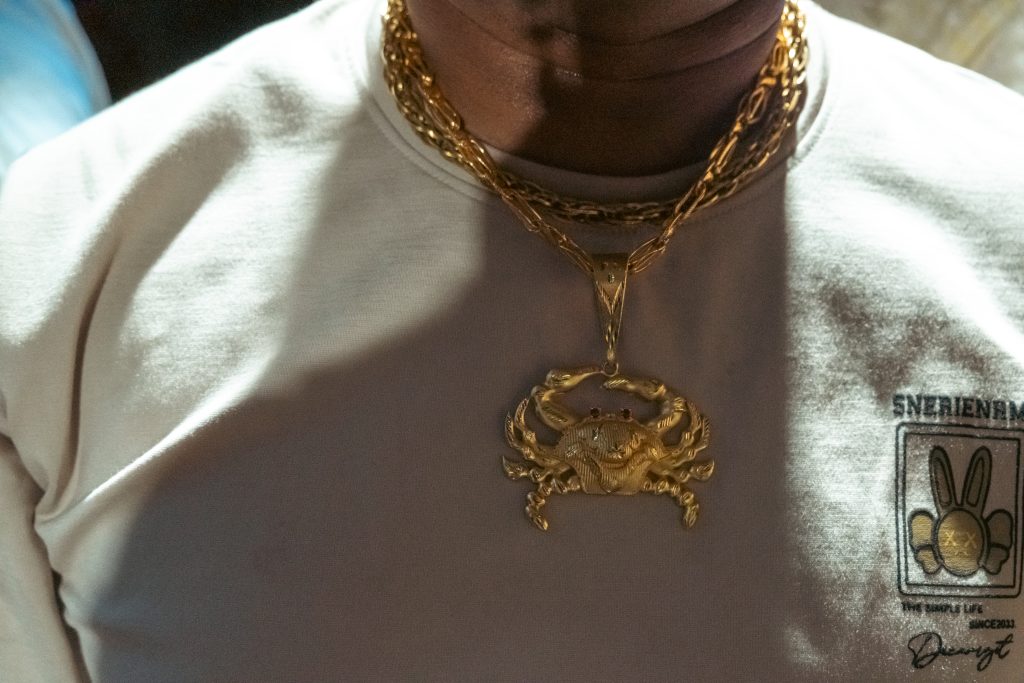
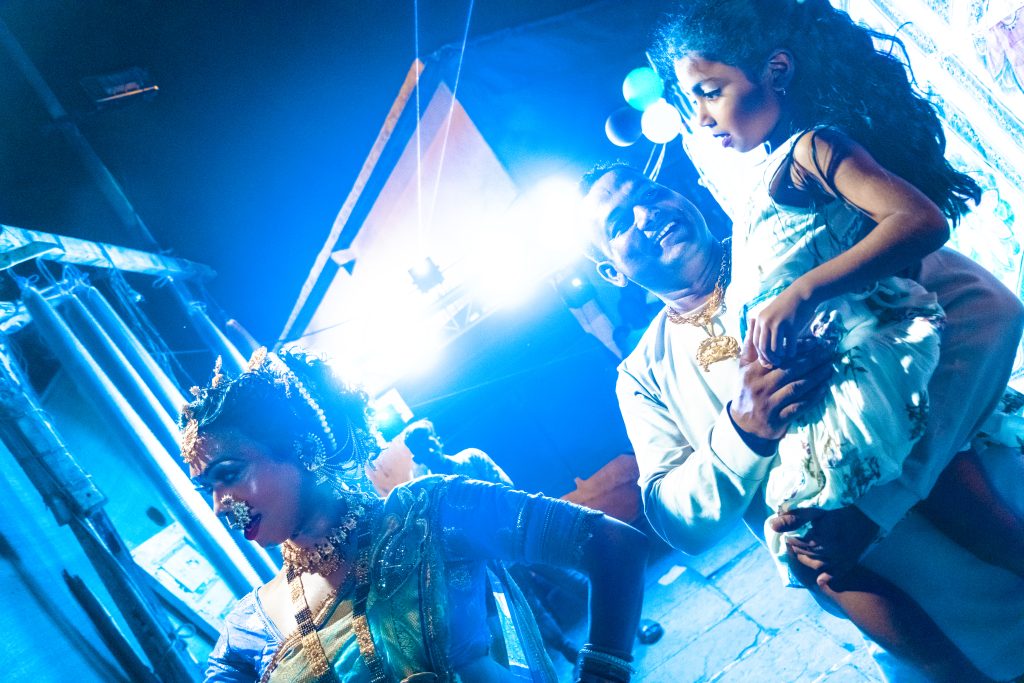
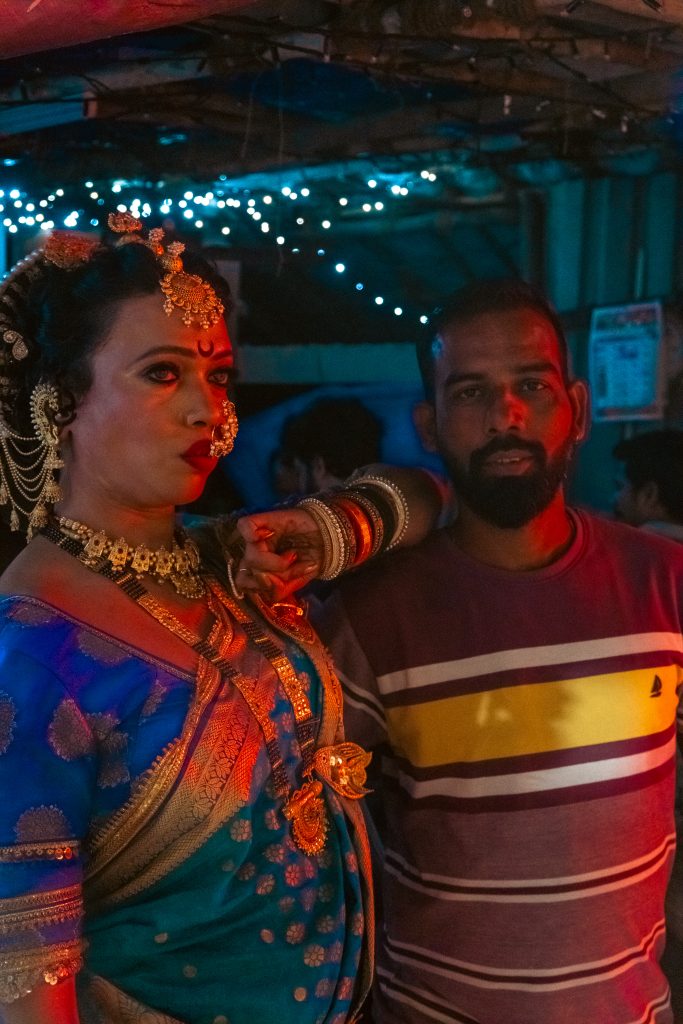
- Men’s Traditional Attire & Gold Ornaments: The main men of the tribe stood out with their unique traditional attire. They adorned themselves with heavy gold ornaments, many of which featured symbols of sea animals like fish—an ode to their deep connection with the sea and their fishing heritage. These elaborate decorations not only showcased their pride but also their cultural wealth and status within the community.

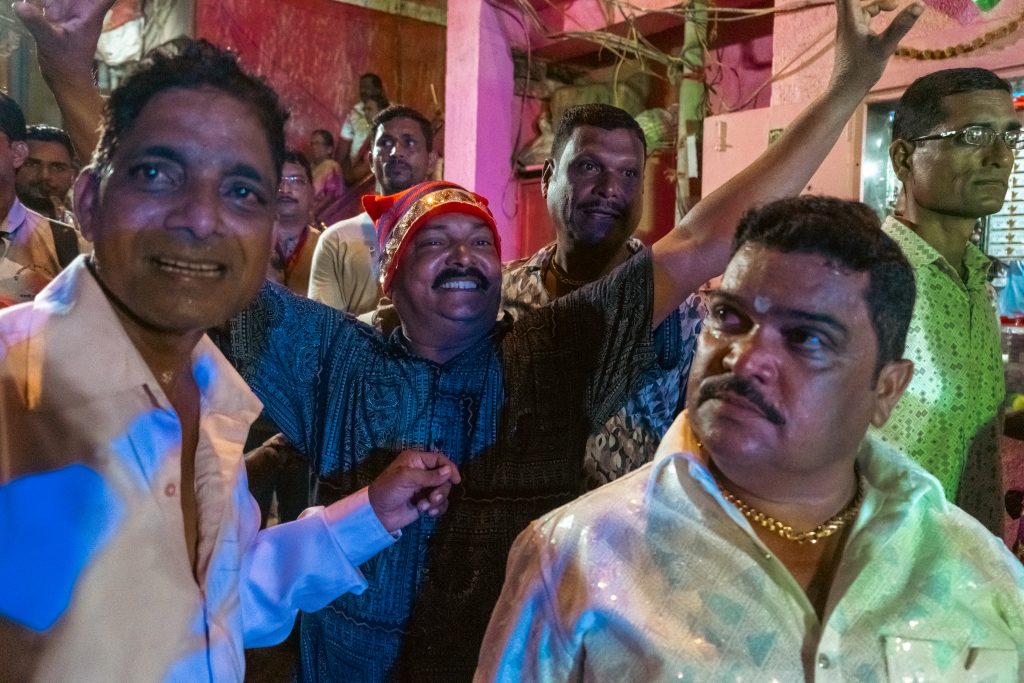
- Folk Songs & Chants: The air was filled with the rhythmic beats of folk music, as people sang age-old songs that have been passed down through generations. These songs narrate tales of Koli ancestors, their struggles, and their victories, strengthening the community’s identity.
- Tying Sacred Threads: Devotees tied sacred threads around the pole, seeking protection and warding off negativity. This act signifies binding the community together in faith and harmony.
Music, Dance & Celebration
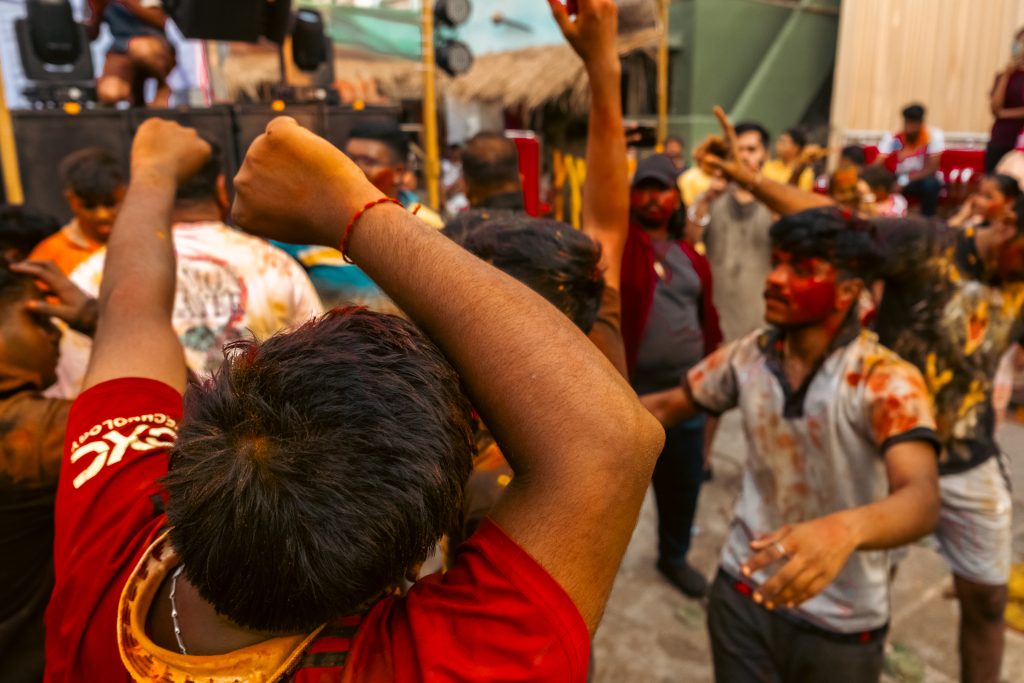
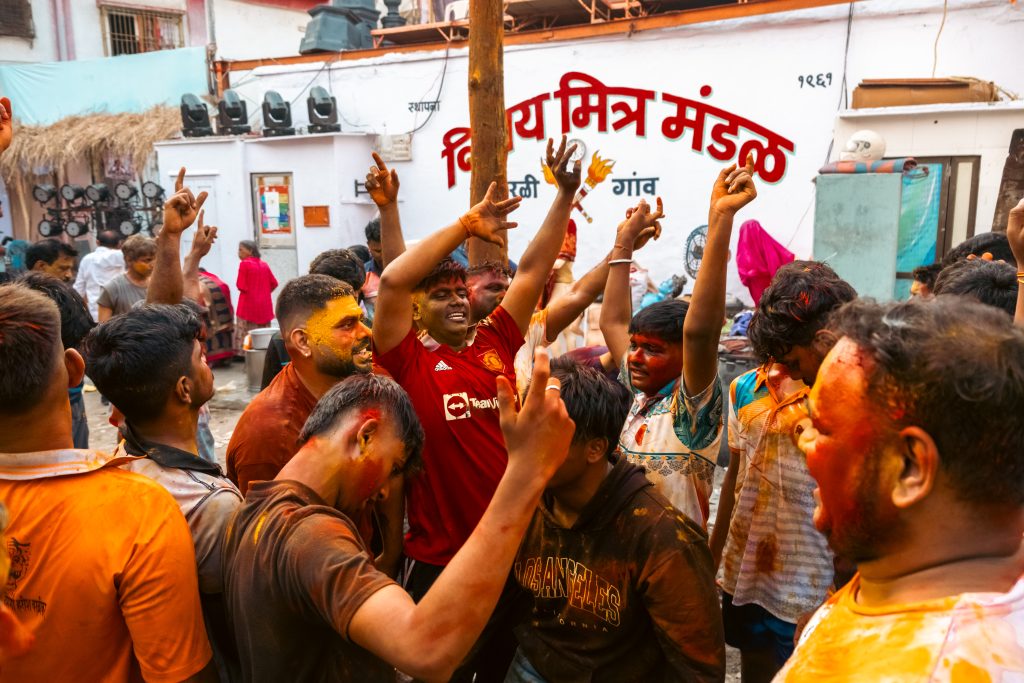
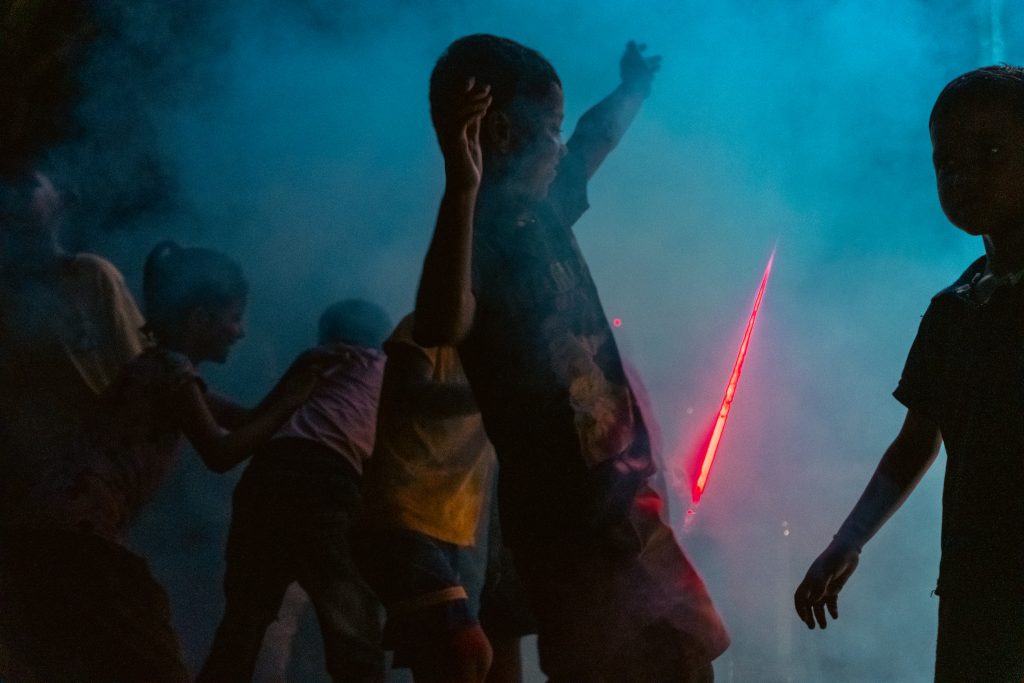
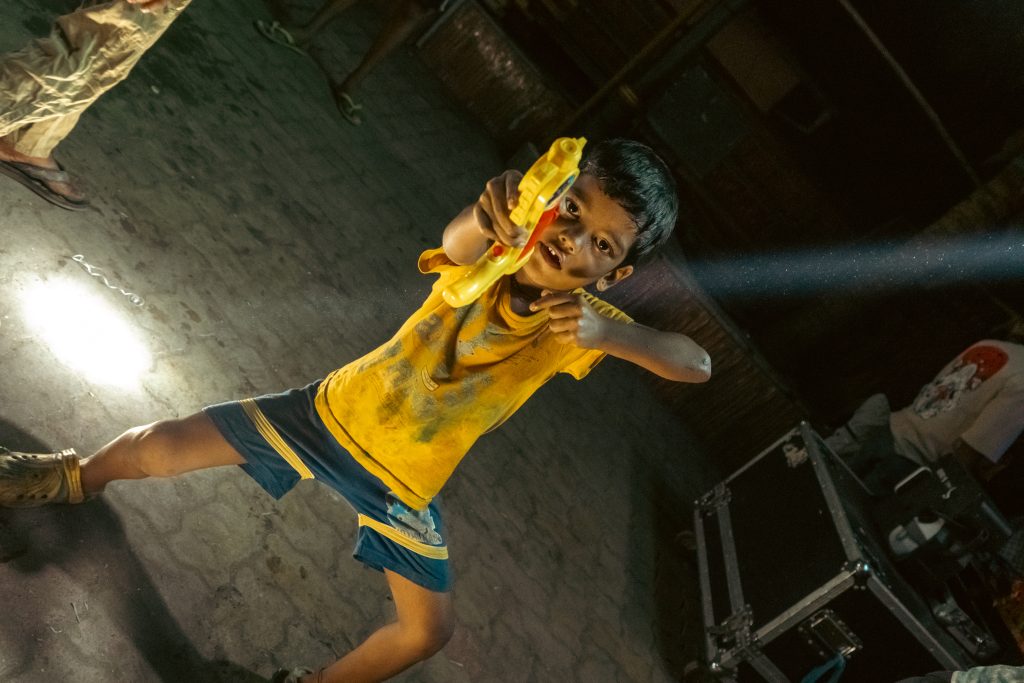
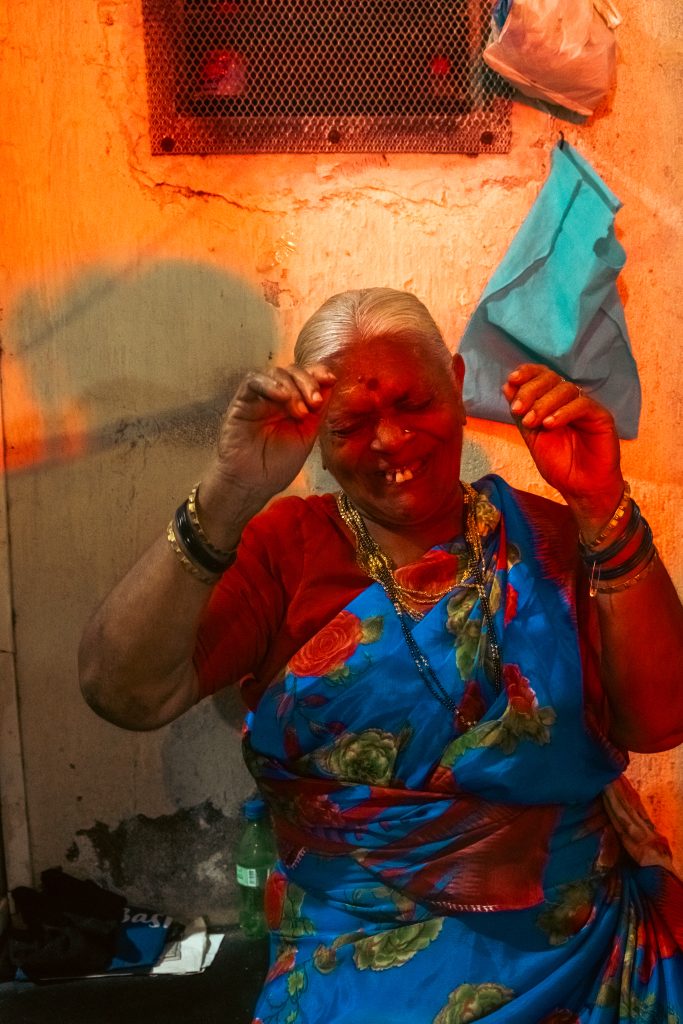
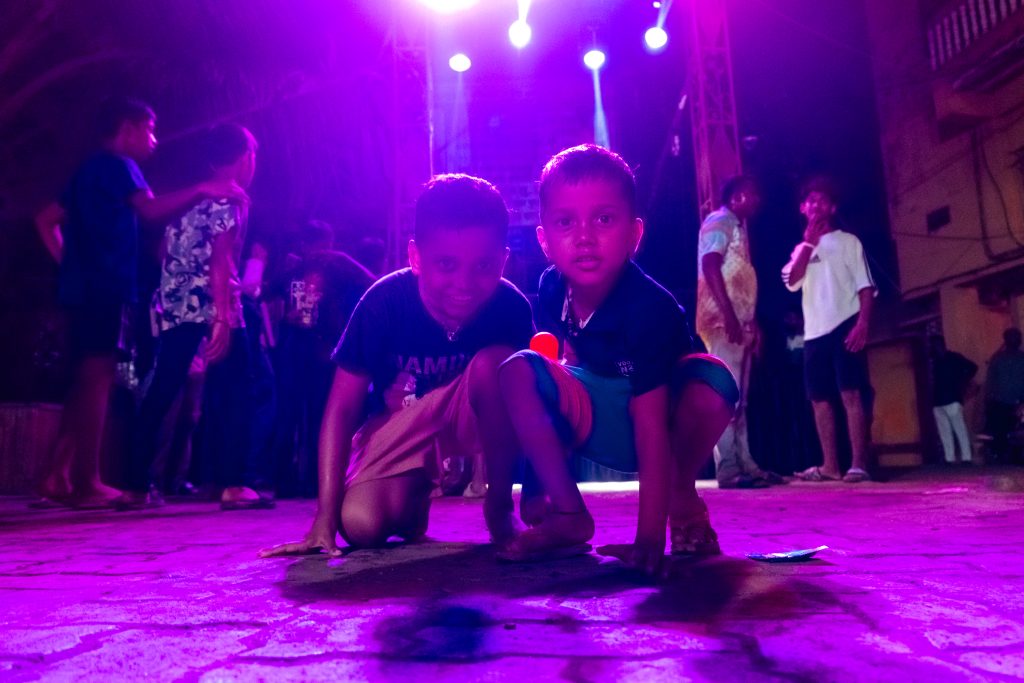
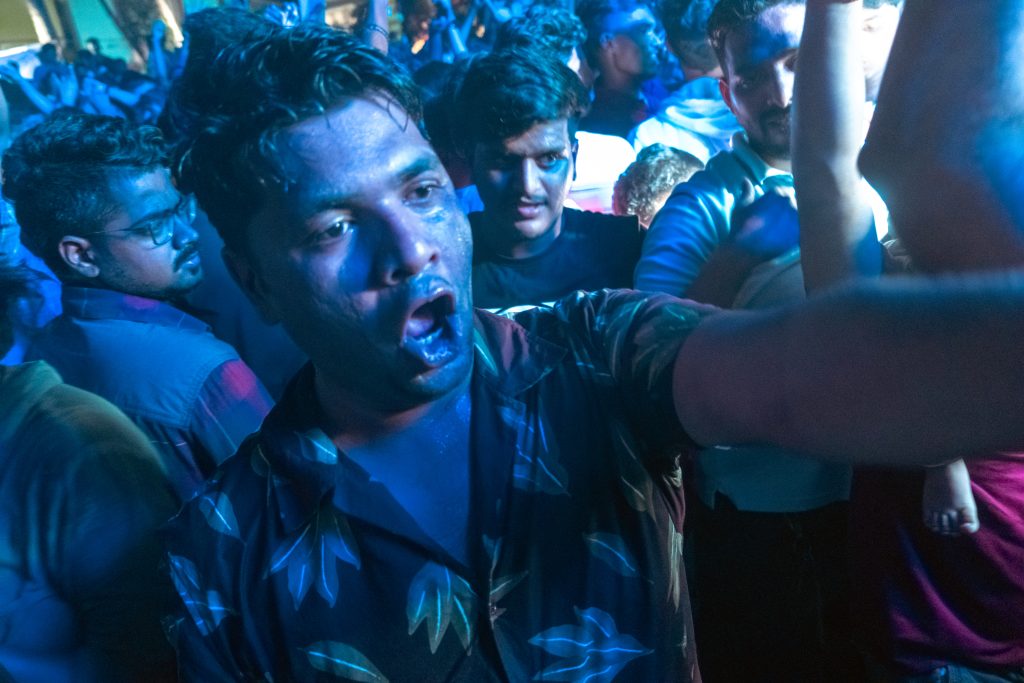
As the night unfolded, the atmosphere became even more vibrant. A DJ was set up in one part of the neighborhood, where small children initially gathered to dance. Slowly, more and more people joined in, and soon the entire community was swaying to the beats, blending traditional celebrations with modern festivities. The joy was infectious, and the streets echoed with laughter and rhythmic movements as generations danced together, embracing both tradition and contemporary revelry.






The Spirit of Koli Holi
What made this celebration truly special was the collective effort of the Koli people. Every ritual, from decorating the pole to singing folk songs, was performed with immense pride and devotion. Unlike mainstream Holi celebrations that focus primarily on colors and playfulness, Koli Holi is deeply spiritual, reinforcing their cultural heritage.
As the night progressed, the community gathered around the Holika Maa, sharing stories, laughter, and sweets. The anticipation for the next day’s main event—Holika Dahan—was palpable, but this night itself was a festival of faith, unity, and tradition.
Conclusion
Witnessing and documenting the pre-celebration of Koli Holi on March 12 was an eye-opening experience. The meticulous preparations, the dressing of Holika Maa, the vibrant matki dance, the striking attire of the men, the energetic DJ dance sessions, and the heartfelt devotion of the Koli people made it evident that this festival is much more than a celebration—it is a living tradition that continues to thrive with each passing generation. Through my lens, I captured not just rituals, but the essence of a community deeply connected to its roots.